
Sibanye-Stillwater Rescues Dozens as 181 Remain Trapped at Kloof Gold Mine
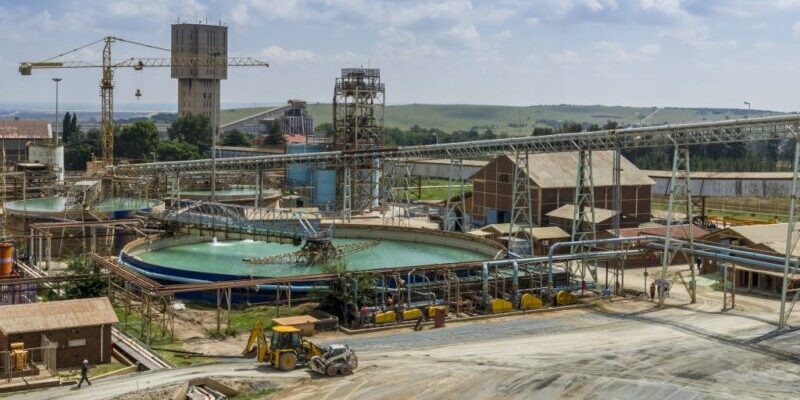
Precious metals producer Sibanye-Stillwater (JSE: SSWJ, NYSE: SBSW) confirmed on Friday that nearly one-third of the 260 miners trapped underground at its Kloof gold mine, located approximately 60 kilometers west of Johannesburg, South Africa, have been safely brought to the surface.
The company reported that the remaining 181 miners are safe, with access to food and water, and are currently gathered at an underground assembly point within Kloof, one of Sibanye’s deepest and most significant operations.
Rescue efforts are ongoing, and the company is working to hoist the remaining workers to the surface as soon as possible.
An initial investigation revealed that a skip door on a sub-shaft rock winder unexpectedly opened at the loading station, damaging Shaft 7 and blocking safe passage.
Following a thorough risk assessment, Sibanye concluded it was safer for the miners to remain at the sub-shaft station rather than attempt the long walk to the surface.
The National Union of Mineworkers (NUM), which represents workers at the Kloof mine, criticized Sibanye-Stillwater’s response, particularly its delay in informing the public.
“We are very concerned because the mine did not even make this incident public until we reported it to the media,” said NUM spokesperson Livhuwani Mammburu.
He added that the miners have now been underground for nearly 24 hours and that Sibanye has repeatedly adjusted its projected rescue timeline.
Mining accidents continue to be a harsh reality in South Africa, home to some of the world’s oldest and deepest gold mines.
In January, at least 78 bodies were recovered from an illegal mining site after police shut down supply routes, highlighting the ongoing dangers of unregulated mining operations. The South African government estimates that illegal mining cost the country over $3 billion in 2023.
The Kloof mine accounts for approximately 14% of Sibanye’s total gold production and includes two other active shafts.
Shaft 4 was permanently closed in 2023 due to safety and economic concerns. At the end of that year, the mine employed around 8,900 workers, including contractors.